
Home Care
Home care, explained simply
Home care means being looked after in your own home rather than moving to a care home, so daily life can carry on among familiar things and routines.
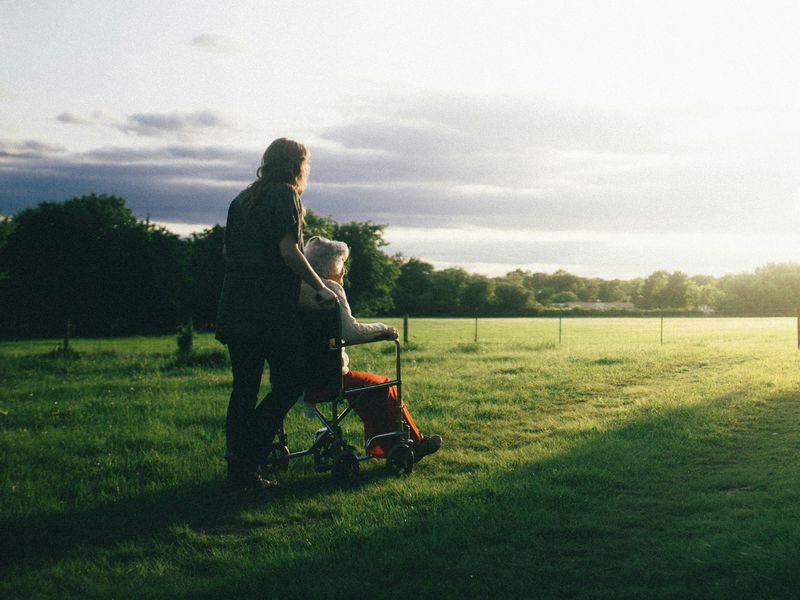
What’s included
What home care includes
Support at home and out and about
- Practical help with shopping and small everyday tasks
- Company on walks, outings and social visits
- Conversation, companionship and activities together
- Going with the person to health and social appointments arranged in advance
- Help with light housework, laundry and keeping the home in order
- Preparing the person’s favourite meals and drinks in their own home
- Keeping in touch with the family on agreed matters, respecting the person’s wishes and consent
- Tasks, visit days and times agreed in advance
Every arrangement is agreed with the person receiving care, or their family, before care begins.
Why Love and Harmony Care?
-
A familiar person
The carer you meet is the person who provides the agreed support.
-
18+ years of professional experience
She has supported people and their families in many different situations, such as dementia, Parkinson’s, recovery after a stroke and the last stage of life. Her experience covers most of the situations you may face.
-
A clear arrangement
Tasks, days and times are agreed together before support begins.
-
Meals
She can prepare tasty meals that take account of the person’s health conditions, preferences and food sensitivities, and is experienced in this.
-
Verifiable references
References from previous work are shared in a one-to-one conversation.
-
DBS certificate and insurance
She holds a Basic DBS certificate and public liability insurance; both can be seen on request before care begins.
And more: the small details that matter
- Does not smoke.
- Uses her personal phone only when needed.
- Respects the person’s home, belongings and privacy.
- Takes care with cleanliness and hygiene when preparing food and doing light housework.
- During working hours, her attention stays on the person she supports and the agreed tasks.
- Pays attention to personal hygiene and a clean, neat appearance.
- Happy to work in homes with cameras; where they are and how recordings are kept are discussed beforehand.
- Follows the person’s daily habits and preferences; how things are done is agreed together in advance.
- Stays calm when something unexpected happens, calls for help if needed and lets the agreed contact know.
What is agreed before starting?
Before support begins, the tasks, the home’s daily routine and the person’s preferences are talked through together. Practical arrangements that make life easier for the person and allow the carer to work are agreed together.
Access to the home, which areas will be used and how you will keep in touch are also settled in advance. If needs change, the arrangement is discussed again.
Not included
What the carer does not do
Being clear from the start avoids misunderstandings later.
- Nursing tasks such as injections or wound care. These remain the responsibility of the district nurse or GP.
- Heavy cleaning, gardening or DIY.
- Caring for other members of the household.
Area and fees
Area, and how fees are set
Area covered
London and surrounding areas
If you are a little further away, please ask anyway; let’s talk about whether it is possible.
Fees
Fees depend on the level of care needed and the circumstances. Get in touch for a quote.
Next step
Get in touch about the care you need
Describe the situation briefly and you will get a reply within one working day. There’s no obligation.